
Grenada’s Public Holidays & Events
January 1st – New Year’s Day
New Year’s Day in Grenada is an official public holiday, marking the beginning of a fresh year with reflection, celebration, and community. The day often begins with traditional church services, where many Grenadians give thanks and seek blessings for the year ahead. These services are an important part of the cultural and spiritual life of the island, setting a positive and hopeful tone for what’s to come.
Afterward, the focus shifts to family and social connections. It is common for people to visit relatives, share meals, and spend time with friends, reinforcing the strong sense of community that defines Grenadian life. Homes are often filled with laughter, food, and a relaxed, festive atmosphere as people continue the celebrations from the night before.
As a national public holiday, most businesses, banks, and shops remain closed, allowing residents to fully enjoy the day without the usual daily pressures. The slower pace creates a peaceful environment across the island, making it a perfect time for rest, reflection, and meaningful connection.
Overall, New Year’s Day in Grenada is less about large public events and more about tradition, gratitude, and togetherness, welcoming the new year with faith, family, and a renewed sense of purpose.
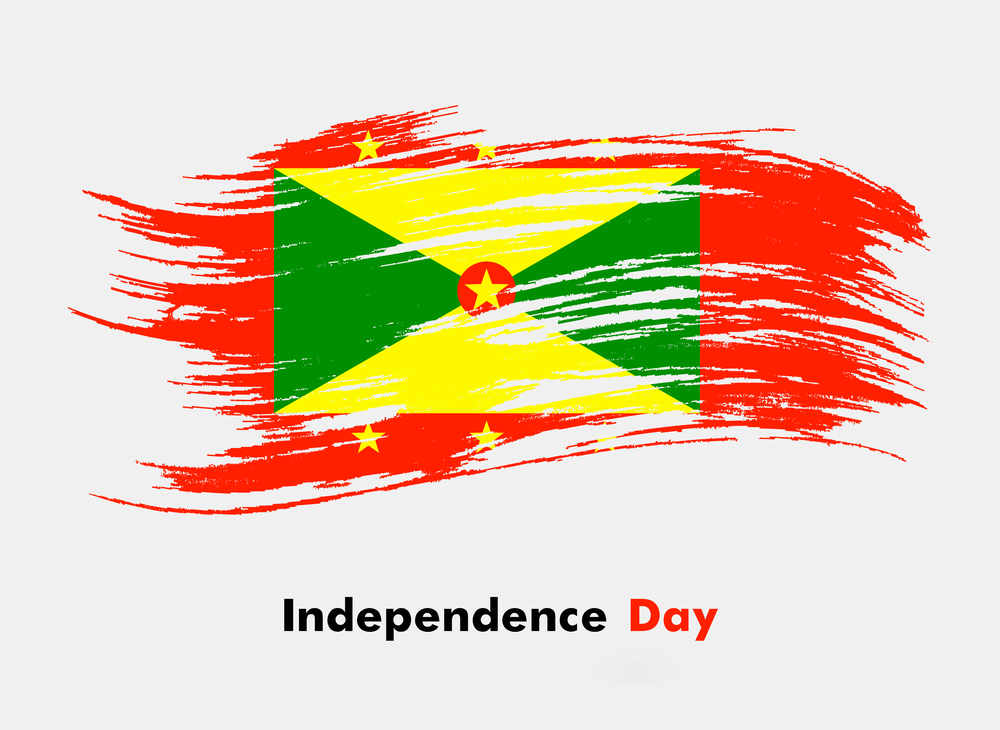
Independence Day In Grenada
February 7th – Independence Day in Grenada
Every year on February 7th, Grenada proudly celebrates its Independence Day, marking the historic moment in 1974 when the nation gained full independence from British colonial rule. This important national holiday is one of the most patriotic and widely observed events on the island, bringing together communities in a shared display of pride, culture, and unity.
The capital, St. George’s, becomes the center of the celebrations, hosting official ceremonies and vibrant parades. These events feature disciplined and colorful displays from the Royal Grenada Police Force, along with participation from the Grenada Cadet Corps, Boy Scouts, Girl Guides, and students from schools across the island. Marching bands, cultural performances, and national colors red, gold, and green fill the streets, creating an atmosphere of excitement and national pride.
Beyond the parades, Independence Day is also a time for reflection and appreciation of Grenada’s journey as a sovereign nation. It highlights the resilience, achievements, and cultural identity of the Grenadian people. Many communities organize local events, including concerts, exhibitions, and traditional food fairs, allowing both residents and visitors to experience the island’s rich heritage.
As a public holiday, most businesses, banks, and government offices remain closed, giving families the time to come together and participate in the festivities. Whether attending a parade, watching the celebrations, or simply enjoying the national spirit, Independence Day in Grenada is a meaningful occasion that showcases the heart and pride of the nation.
April 3rd – Good Friday
On Good Friday, Christian communities across Grenada solemnly observe the crucifixion of Jesus Christ, one of the most significant events in the Christian faith. This sacred day forms a central part of Holy Week, a period of reflection and worship that begins with Holy Thursday, continues through Good Friday, and culminates in the joyful celebration of Christ’s resurrection on Easter Sunday.
Throughout the island, churches hold special services marked by prayer, scripture readings, hymns, and moments of quiet contemplation. Many services focus on the Passion of Christ, recounting the events leading up to His crucifixion, encouraging believers to reflect on themes of sacrifice, redemption, and faith. The atmosphere is typically solemn and reverent, contrasting with the celebratory tone of Easter that follows.
Good Friday is also recognized as a public holiday in Grenada, and its observance extends beyond the church. Most businesses, including banks and shops, remain closed for the day, allowing individuals and families time to participate in religious services or spend the day in quiet reflection. The slower pace across towns and communities reflects the cultural and spiritual importance of the occasion.
For many Grenadians, Good Friday is not only a religious observance but also a deeply rooted tradition that brings families and communities together. It is a day that blends faith, heritage, and national identity, reinforcing the enduring role of Christianity in Grenadian society.
April 6th Easter Monday In Grenada
April 6th – Easter Monday
Easter Monday is a recognized public holiday in Grenada, observed the day after Easter Sunday. It provides an extended break for families and communities to relax, reflect, and continue the celebrations of the Easter season. On this day, banks, government offices, and most businesses remain closed, and normal commercial activity is significantly reduced.
Easter Monday is often enjoyed as a time for leisure and social gatherings. Many locals take advantage of the holiday by spending time outdoors, visiting beaches, hosting picnics, or enjoying family outings across the island. While quieter than Easter Sunday’s religious observances, the day still carries cultural significance, offering a balance between rest, recreation, and tradition.
April 24th–26th – Carriacou Maroon & String Band Music Festival
The Carriacou Maroon & String Band Music Festival is one of Grenada’s most authentic and culturally rich celebrations, held annually on the sister island of Carriacou. This unique festival beautifully merges two powerful traditions, the ancestral Maroon rituals and the lively rhythms of string band music, into one unforgettable experience rooted in history, community, and identity.
The Maroon aspect of the festival traces its origins back to West African traditions brought to the Caribbean by enslaved Africans. Today, these customs are preserved and honored through sacred drumming, call-and-response singing, and ceremonial practices that have been passed down through generations. One of the most captivating elements is the preparation of traditional “smoked food,” cooked in underground earth ovens using age-old techniques. This process is not just about food; it is a ritual that symbolizes unity, survival, and cultural continuity.
Complementing the Maroon traditions is the vibrant presence of string band music, a distinct Caribbean sound featuring instruments such as banjos, guitars, fiddles, and percussion. These bands bring energy and storytelling to the festival, performing lively tunes that reflect the daily life, humor, and heritage of the people of Carriacou. The music creates an atmosphere that is both festive and deeply meaningful, connecting the past with the present.
Set against the laid-back charm and natural beauty of Carriacou, the festival offers more than just performances. It is a full cultural immersion where visitors can interact with locals, learn about traditional crafts, taste authentic Grenadian cuisine, and witness customs that remain largely untouched by modern influences. The sense of community is strong, and the welcoming spirit of the island makes every visitor feel like part of the celebration.
The Carriacou Maroon & String Band Music Festival truly epitomizes the essence of Grenadian culture, where food, music, and heritage come together in harmony. It is not a staged event, but a living tradition that continues to thrive through the pride and participation of the local people.
As many who have attended will tell you, this is more than just a festival; it’s an experience that stays with you. Once you’ve witnessed the rhythms, tasted the food, and felt the spirit of the Carriacou Maroon & String Band Music Festival, you’ll understand why it leaves such a lasting impression.
May 1st – Labour Day in Grenada
Observed annually on May 1st, Labour Day is a significant national holiday in Grenada that honors the contributions, achievements, and rights of workers across the island. It is a day rooted in the global labor movement, recognizing the importance of fair wages, safe working conditions, and the ongoing efforts of trade unions and workers’ organizations.
In Grenada, Labour Day is both a reflective and celebratory occasion. Trade unions, workers’ groups, and community organizations often host rallies, marches, and public discussions focused on workers’ rights, employment issues, and social progress. These events highlight the role that labor has played in shaping the nation’s development and continue to advocate for improvements in working conditions and opportunities.
Beyond its historical and political significance, Labour Day is also a time for community bonding and relaxation. Many Grenadians take advantage of the public holiday to spend time with family and friends, often gathering for beach outings, picnics, and social events. Popular spots around St. George’s and across the island become lively with music, food, and shared celebration.
The holiday serves as a reminder of the dignity of work and the value of every worker’s contribution to society. It also provides an opportunity to reflect on the progress made in labor rights while acknowledging the challenges that remain in an evolving economic landscape.
Overall, Labour Day in Grenada is more than just a day off; it is a meaningful blend of recognition, advocacy, and celebration, bringing together communities to honor the workforce that drives the nation forward.
Whit Monday
May 25th – Whit Monday
Whit Monday is a recognized public holiday observed the day after Whitsunday (Pentecost), an important Christian celebration that marks the descent of the Holy Spirit upon the Apostles. This event is considered a foundational moment in the establishment of the early Church, symbolizing spiritual renewal, unity, and the spread of Christian teachings.
In Grenada and many other countries, Whit Monday is observed as a day of rest and reflection. Government offices, banks, and most businesses remain closed, allowing residents to spend time with family, attend church services, or simply enjoy a quiet break from daily routines. While the religious significance remains central, the day is also embraced as a public holiday that offers a pause in the calendar.
For visitors, it’s important to note that services may be limited, and planning ahead is recommended. However, the relaxed atmosphere provides a unique opportunity to experience local life at a slower pace, whether that means enjoying the island’s natural beauty or taking part in community gatherings.
Whit Monday serves as both a spiritual observance and a practical day of rest, reflecting Grenada’s blend of cultural tradition and modern lifestyle.
June 4th – Corpus Christi
Corpus Christi is a significant observance in the Roman Catholic (Latin) Church, celebrated on the Thursday following Trinity Sunday. The feast is dedicated to honoring and solemnly commemorating the institution of the Holy Eucharist, one of the central sacraments of the Christian faith, symbolizing the body and blood of Jesus Christ.
In Grenada, Corpus Christi is recognized as a public holiday and holds both religious and cultural importance. Churches across the island, particularly in St. George’s and surrounding communities, host special masses and processions. These services are often marked by reverence, traditional hymns, and, in some cases, outdoor Eucharistic processions where the consecrated host is carried through the streets as a public expression of faith.
Beyond its religious significance, the day also impacts daily life throughout the country. As a national public holiday, most businesses, including banks, government offices, and many shops, remain closed, allowing citizens the opportunity to participate in services or spend time with family. The quieter atmosphere across towns and villages reflects the solemn nature of the occasion.
Corpus Christi in Grenada highlights the enduring influence of Christianity on the island’s cultural traditions. It is a day that blends spiritual reflection with community observance, offering both locals and visitors a glimpse into the island’s religious heritage and its continued role in modern Grenadian life.
August 3rd – Emancipation Day (Grenada)
Emancipation Day in Grenada is a deeply meaningful public holiday that commemorates the abolition of slavery and honors the resilience, strength, and cultural legacy of enslaved Africans and their descendants. While Emancipation Day is internationally recognized on August 1st, Grenada observes the holiday on the first Monday of August, allowing for extended national participation in commemorative events and cultural celebrations.
All across the island, especially in St. George’s, Grenada, the day is marked by a rich program of activities that reflect both remembrance and pride. These include cultural performances, traditional drumming, historical reenactments, storytelling, and community gatherings that highlight Grenada’s African heritage and the enduring influence it has on the island’s identity today. Schools, cultural organizations, and local groups often play a major role in preserving and showcasing these traditions.
Emancipation Day is not only a time for celebration but also for reflection. It serves as a reminder of the struggles endured during slavery and the journey toward freedom and self-determination. Many events focus on education and awareness, encouraging both locals and visitors to gain a deeper understanding of Grenada’s history and the significance of emancipation.
As a national public holiday, most businesses, including banks, government offices, and many shops, are closed, giving residents the opportunity to fully participate in the day’s events. The atmosphere is one of unity and cultural pride, as communities come together to celebrate freedom, heritage, and the progress made since emancipation.
In Grenada, Emancipation Day stands as more than just a date on the calendar; it is a powerful expression of identity, remembrance, and cultural continuity that continues to shape the nation’s spirit.
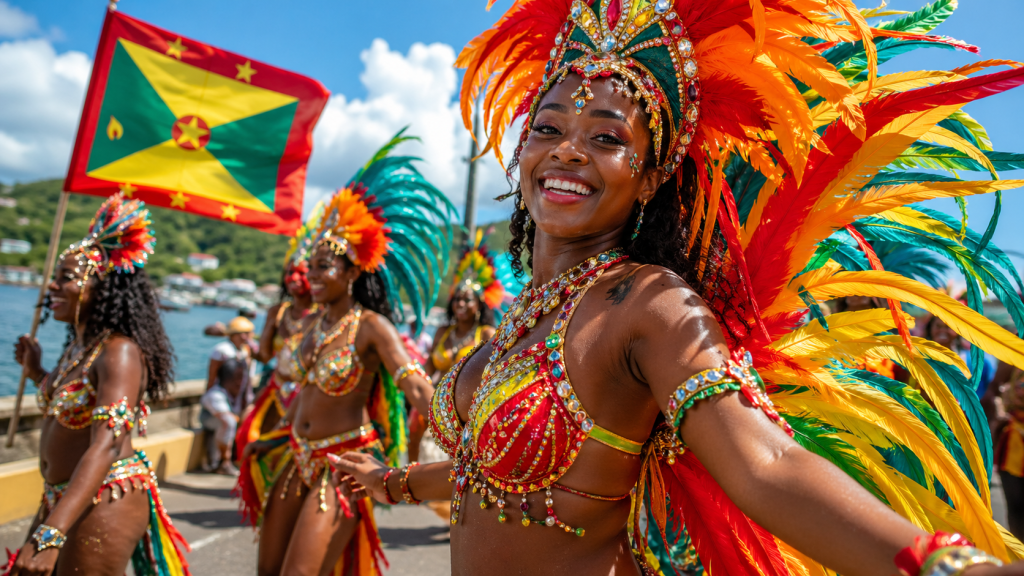
Spicemas Carnival
August 10th – Carnival Monday (Spicemas in Grenada)
Carnival Monday marks the electrifying start of the street celebrations during Spicemas, and from the very first light of dawn, Grenada comes alive with energy, culture, and tradition. Across the island, especially in St. George’s, the streets fill with revelers, spectators, and traditional masqueraders, all celebrating in a powerful display of identity and expression.
One of the most iconic sights of the morning is the appearance of the Jab-Jabs, or “Devils.” Covered in oil, grease, or paint, and often adorned with horns and chains, these masqueraders embody a deep cultural symbolism rooted in resistance and freedom. Their presence is bold, rhythmic, and unforgettable, as they move through the streets to pounding drums and high-energy music. Alongside them are performers participating in Ole Mas, a tradition that uses satire, humor, and clever costumes to comment on social and political events from the past year. Ole Mas is not just entertainment; it’s storytelling with attitude, offering a uniquely Grenadian perspective on current affairs.
As the morning unfolds, the atmosphere intensifies. Steel bands, DJs, and sound systems fill the air with the infectious rhythms of soca and calypso, drawing crowds into spontaneous dancing and celebration. The streets become a moving festival of music and motion, where the line between performer and spectator disappears, and everyone becomes part of the experience.
By the afternoon, the focus begins to shift as the “Pretty Mas” or fancy costume bands make their appearance. These bands showcase elaborate, colorful designs featuring feathers, beads, and creative themes. Although their Monday presence is usually brief, they offer a glimpse of the visual spectacle that will fully unfold on Carnival Tuesday.
As night falls, Carnival Monday transforms once again with the arrival of Monday Night Mas. From around 8:00 PM, bands take to the streets illuminated by vibrant LED lights, glowing accessories, and neon costumes. Revelers dance through the city in a dazzling display of color and light, creating a completely different but equally exciting carnival experience. The energy remains high, with music trucks and DJs keeping the crowd moving well into the night.
Carnival Monday is observed as a public holiday in Grenada, allowing locals and visitors alike to fully immerse themselves in the festivities. Banks and most businesses are closed, and the entire nation shifts its focus to celebration, culture, and community.
More than just the beginning of carnival, Monday sets the tone for the days ahead. It blends tradition with modern celebration, offering everything from cultural storytelling to high-energy street parties. For anyone experiencing Spicemas, Carnival Monday is an unforgettable introduction to the spirit, rhythm, and soul of Grenada.
August 11th – Carnival Tuesday
Carnival Tuesday marks the grand finale of Spicemas, bringing the island’s most vibrant celebration to an unforgettable close. The highlight of the day is the spectacular Parade of the Bands, where masqueraders flood the streets in dazzling, brightly coloured costumes adorned with feathers, beads, and intricate designs. Dancing to the infectious rhythms of steelpan music, soca hits, and high-energy DJs, participants move through the city in a lively display of creativity, culture, and pure celebration.
Crowds line the streets, cheering and joining in the festive atmosphere as each band showcases its unique theme and artistry. The energy is electric, with music trucks, choreographed performances, and spontaneous dancing creating a non-stop party that lasts throughout the day.
Carnival Tuesday is also a public holiday in Grenada, allowing both locals and visitors to fully immerse themselves in the festivities. Most banks, offices, and shops remain closed, as the entire island comes together to celebrate. It’s a day filled with color, rhythm, and unity, ending Spicemas on a high note and leaving lasting memories of Grenada’s rich cultural spirit.
September 1st – Kirani James Day (Not a Public Holiday)
Kirani James Day is observed on September 1st in honor of Kirani James, Grenada’s first Olympic gold medalist and one of the nation’s most celebrated athletes. His historic victory in the 400 meters at the 2012 London Olympics marked a defining moment in Grenadian history, placing the island on the global sporting stage and inspiring generations of young athletes.
Although widely recognized and celebrated across the country, Kirani James Day is not an official public holiday. Schools, businesses, and government offices remain open; however, the day is often acknowledged through community events, school activities, and national pride campaigns that highlight Kirani’s achievements, discipline, and sportsmanship.
More than just a commemoration of a single victory, the day symbolizes perseverance, excellence, and national unity. Kirani James continues to represent Grenada in international competitions, serving as a role model both on and off the track. His humility and dedication have made him a national hero, and this day stands as a reminder of what Grenadians can achieve on the world stage.
Kirani James Day is therefore less about time off and more about inspiration, a celebration of determination, pride, and the power of sporting achievement to unite a nation.
Oct 15th – 19th – Aunty Tek Spice Word Festival
The Spice Word Literary Festival, popularly known as the Aunty Tek Spice Word Festival, is one of Grenada’s most inspiring cultural events, celebrating literature, storytelling, and the power of words. First launched in 2010, the festival quickly established itself as a meaningful addition to the island’s cultural calendar, bringing together writers, poets, educators, and readers from across Grenada and the wider Caribbean.
The inaugural event was made possible through strong support from Grenada’s private sector, whose vision helped recognize the importance of nurturing literary arts and creative expression. From its very first year, the festival was widely praised as both timely and impactful, providing a platform for local voices while encouraging a culture of reading, writing, and intellectual engagement throughout the community.
Over the years, the Aunty Tek Spice Word Festival has grown into a dynamic multi-day celebration featuring workshops, panel discussions, book readings, school outreach programs, and performances. It creates opportunities for emerging and established writers to share their work, exchange ideas, and inspire the next generation of storytellers. Schools across the island often participate, making the festival especially important in promoting youth literacy and creative development.
Held annually in and around St. George’s, the festival also highlights Grenada’s rich cultural identity, blending traditional storytelling with contemporary Caribbean literature. Visitors and locals alike can experience the island from a different perspective, one that goes beyond beaches and scenery to explore its intellectual and artistic depth.
Today, the Aunty Tek Spice Word Festival continues to build on its original mission: to celebrate words, empower voices, and strengthen Grenada’s literary culture. Its success stands as a testament to what can be achieved when community support, creativity, and vision come together.
Thanksgiving Day In Grenada
October 25th – Thanksgiving Day in Grenada
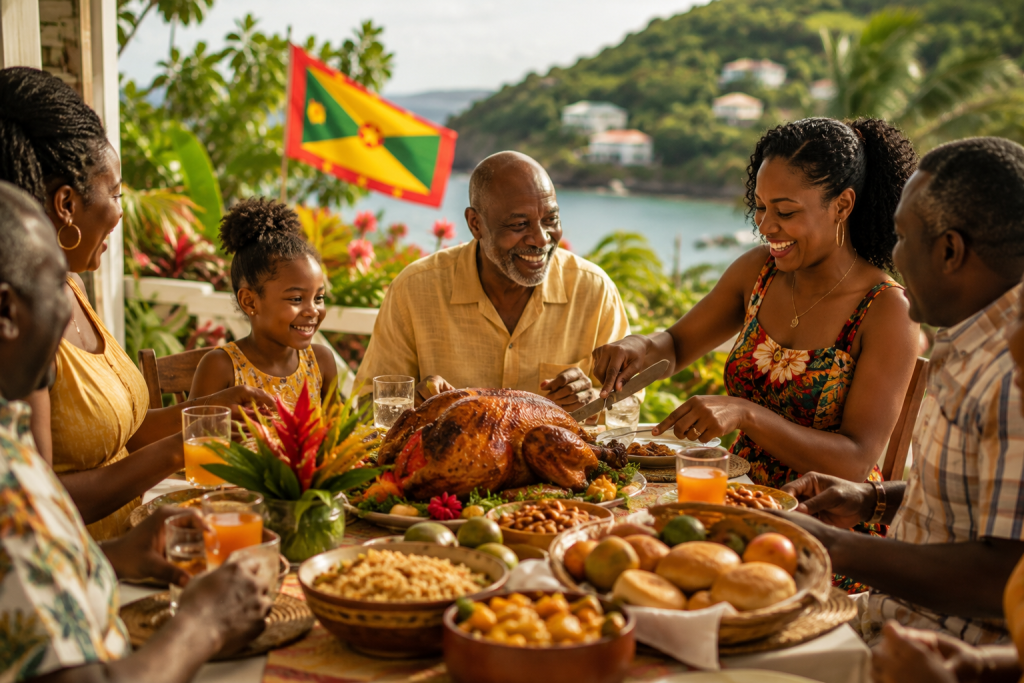
Thanksgiving Day in Grenada is a significant national public holiday that commemorates the events of October 25, 1983. On this day, a joint Caribbean and American military force intervened in Grenada during a period of political unrest, following the execution of then Prime Minister Maurice Bishop and several members of his government. The intervention, often referred to as the United States invasion of Grenada, marked a turning point in the nation’s modern history and led to the restoration of order and the eventual return to democratic governance.
Today, Thanksgiving Day in Grenada is observed as a time of reflection, remembrance, and national unity. While it shares its name with the North American holiday, its meaning is entirely different. In Grenada, the day honors those who lost their lives during the 1983 crisis and acknowledges the role of regional and international forces in stabilizing the country during a turbulent period.
Commemorative events are held across the island, particularly in and around St. George’s. These may include official ceremonies, wreath-laying tributes, church services, and community gatherings. Key sites associated with the events of 1983, such as memorials and historical locations, often become focal points for reflection and education, especially for younger generations learning about this important chapter in Grenada’s history.
More than four decades later, Grenada stands as a peaceful and stable nation, known for its warm hospitality, vibrant culture, and natural beauty. The observance of Thanksgiving Day serves as a reminder of how far the country has come, reinforcing a collective appreciation for peace, democracy, and national resilience.
As a public holiday, most businesses, including banks, government offices, and many shops, are closed on October 25th. Visitors to the island during this time should plan accordingly, although essential services and some tourism-related businesses may remain open. Despite the closures, the day offers a unique opportunity to witness Grenada’s cultural identity and historical awareness, providing deeper insight into the island beyond its beaches and attractions.
Thanksgiving Day in Grenada is ultimately a solemn yet meaningful occasion, one that reflects the island’s past while celebrating its progress and unity as a nation.
Dec. 4th – Dec. 6th – Camerhogne Folk Festival
The Camerhogne Folk Festival was first introduced in 2010 as a strategic effort to revive and preserve Grenada’s rich folk traditions. Organized by the Division of Culture, the festival emerged in response to a noticeable decline in the number of active folk groups and traditional performances featured during major national celebrations and cultural events across the island.
Recognizing the importance of safeguarding Grenada’s cultural heritage, the festival was designed to create a dedicated platform where traditional music, dance, storytelling, and dramatic folk expressions could be celebrated and passed on to future generations. Since its inception, the Camerhogne Folk Festival has grown into an important fixture on Grenada’s cultural calendar, attracting performers, cultural practitioners, and audiences from across the island and the wider Caribbean.
Held annually in early December, the festival showcases a vibrant mix of performances that highlight the island’s African, French, and indigenous influences. Audiences can experience traditional drumming, folk singing, quadrille dancing, and theatrical presentations that reflect Grenada’s history, social life, and community values. Schools, community groups, and established cultural organizations all take part, ensuring a dynamic and inclusive celebration of heritage.
Beyond entertainment, the Camerhogne Folk Festival plays a vital role in education and cultural preservation. It encourages younger generations to engage with their roots while providing older practitioners with a space to share their knowledge and skills. Workshops, exhibitions, and interactive sessions often accompany the performances, deepening public appreciation for Grenada’s traditions.
Today, the Camerhogne Folk Festival stands as a meaningful celebration of identity and cultural resilience, ensuring that Grenada’s folk heritage continues to thrive in a modern world.
Christmas Day In Grenada
December 25th – Christmas Day in Grenada
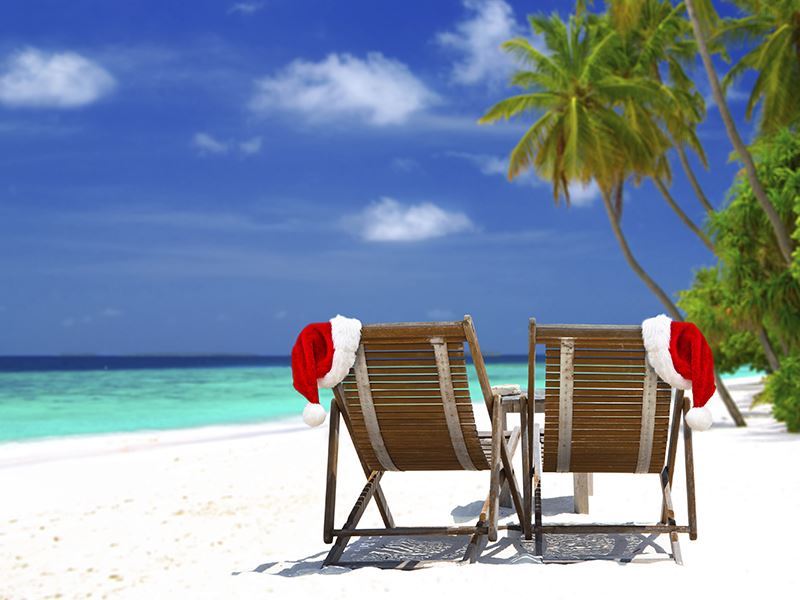
Christmas Day in Grenada is a deeply meaningful celebration that blends religious devotion, family traditions, and vibrant Caribbean warmth. It is a time when the island slows down, communities come together, and a spirit of generosity and joy is felt everywhere, especially in and around St. George’s.
The celebrations begin on Christmas Eve, with many families attending midnight church services. Churches across the island are beautifully decorated and filled with worshippers gathering for candlelight services, carols, and prayers that mark the birth of Christ. These services are one of the most important traditions of the season, setting a peaceful and reflective tone for the day ahead.
On Christmas Day itself, the focus shifts to family, food, and togetherness. Homes are decorated with Christmas trees, lights, and Nativity scenes, often accompanied by music playing throughout the day. Children eagerly enjoy the excitement of gifts, with Santa Claus featuring prominently at holiday events and parties leading up to Christmas.
Food plays a central role in the celebration. Families gather to enjoy traditional Grenadian Christmas meals, which often include baked ham, roasted meats, rice and peas, fresh salads, and local favorites. Sweet treats such as black cake, sorrel drink, and ginger beer are also staples of the season, adding rich flavors that reflect the island’s cultural heritage.
The days leading up to Christmas are lively and festive. Shopping centers and markets stay open late on Christmas Eve as people make last-minute purchases, pick up ingredients, and prepare for gatherings. Restaurants and hotels across the island offer special Christmas menus, giving both locals and visitors the option to enjoy a festive meal without the need to cook.
Despite the festive atmosphere, Christmas Day itself is a quiet and reflective public holiday. Banks, government offices, and most businesses are closed, allowing families to spend uninterrupted time together. The streets are noticeably quieter, with the focus shifting from activity to relaxation and connection.
Christmas in Grenada is more than just a holiday; it is a celebration of faith, culture, and community. It highlights the importance of family bonds, shared meals, and the simple joy of being together. Whether experienced through a church service, a family gathering, or a festive meal, Christmas Day in Grenada offers a warm and authentic Caribbean holiday experience that leaves lasting memories.
December 26th – Boxing Day
December 26th, the day immediately following Christmas Day, is celebrated as Boxing Day. In Grenada and across many Commonwealth countries, Boxing Day is recognized as a public holiday and forms an important part of the extended Christmas season.
Traditionally, Boxing Day has its origins in the practice of giving “Christmas boxes” to service workers, tradespeople, and those in need as a gesture of appreciation and goodwill. Over time, the holiday has evolved into a day centered around relaxation, generosity, and continued celebration with loved ones.
In Grenada, Boxing Day is widely observed as a time for visiting friends and family, attending social gatherings, and enjoying the festive atmosphere that carries over from Christmas Day. Many households host meals, share drinks, and spend quality time together, reinforcing the strong sense of community and togetherness that defines the holiday season on the island.
As an official public holiday, most banks, government offices, and many businesses remain closed, allowing people the opportunity to rest and fully participate in the celebrations. Some shops and restaurants may open later in the day, particularly in more active areas, but overall the pace is slower and more relaxed.
Boxing Day also marks a continuation of the festive spirit, bridging Christmas celebrations with the approach of the New Year. For both locals and visitors, it offers a chance to unwind, reflect, and enjoy the warmth, hospitality, and vibrant culture that Grenada is known for.
Overall, Boxing Day in Grenada is not just a day off; it is a meaningful extension of the Christmas season, rooted in generosity, community, and celebration.