
Mount Parnassus in Context: Its Parish, Plantation, and Colonial Roots
Mount Parnassus is a Parish in St. George’s, which is one of Grenada’s oldest occupied areas. The French first settled St. George’s, the island’s capital, in 1650, and Jacques Dyel du Parquet was in charge.
From the late 1600s on, the area’s rich soil and good weather made it perfect for plantation farming. This started under French authority and grew a lot under British rule.
Historical estate records indeed indicate “Mount Parnassus Estate” as one of the landed locations where plantation-style farming was done.
Mount Parnassus, like most of Grenada, was built by enslaved Africans. The transatlantic slave trade brought more than 129,000 Africans to Grenada between 1669 and 1808. Many of them were forced to labor on plantations like the ones around St. George’s.
The British abolition laws officially ended slavery in Grenada. The 1833 Emancipation Act went into force on August 1, 1834, but there was a transitional “apprenticeship” period that lasted until 1838.
The commencement of Mount Parnassus’s long journey from plantation estate to present-day community may be traced back to these historic changes: colonial settlement, plantation agriculture, forced labor, and finally freedom.
From Plantation Estate to a Landscape After Emancipation
Many big estates were split up or changed when slavery ended. As economic and social conditions changed, large sugar and cash-crop plantations fell apart, which led to decreased land holdings over time. This was a common thing in Grenada, where plantation holdings typically went to local farmers, freed people, and their children.
There aren’t many exact documents about Mount Parnassus, but historical sources connect it to other estates and land owned by colonial families. For example, archival references suggest that the same family who controlled surrounding estates (such Morne Jaloux Estate) also held Mount Parnassus – underlining its position as part of Grenada’s plantation environment.
As large-scale plantations fell out of favor, the land around Mount Parnassus slowly changed from colonial agriculture to communal living. It became smaller farms, homesteads, and eventually residences.
In the Modern Era, Mt. Parnassus Plantation is known for its heritage, health, and agro-tourism.
Mt. Parnassus Plantation is more than just a community today. It’s also a living heritage site and a place for agro-tourism. The plantation is based on a desire to honor Grenada’s cultural and agricultural traditions. Visitors can wander through spice gardens, fruit trees, and tropical plants that seem like they did hundreds of years ago.
The plantation setting stresses reconnecting with the land, living in a way that is good for the environment, and being healthy. Visitors can learn how to grow cocoa, nutmeg, and native spices, which are important to Grenada’s famous “Spice Island” character.
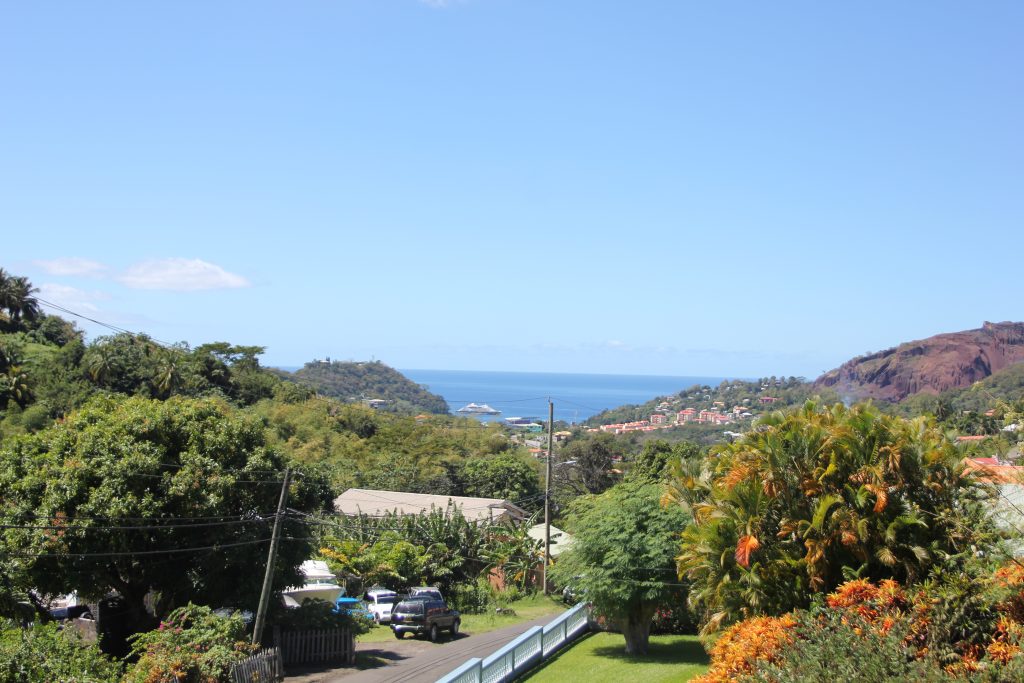
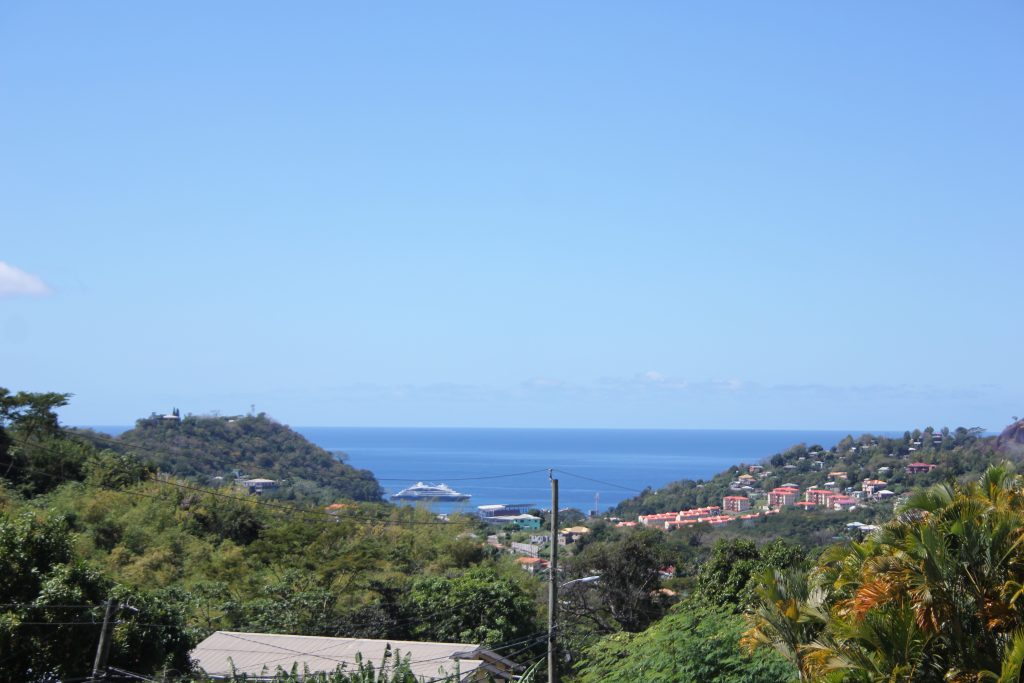
The location is quiet, has views of the hills, and is surrounded by open space, which makes it a peaceful change from coastal vacation areas. Mount Parnassus is a gentler, more down-to-earth part of Grenada for many people. It’s a location where history, community, and nature come together.
Why Mount Parnassus Matters: Heritage, Identity, and Memory
Mount Parnassus represents Grenada’s complicated past, which includes colonial conquest, slavery, emancipation, changes in land use, and modern struggles to restore heritage.
It reminds us of the plantation economy that used to be the main source of income on the island and of the numerous people, especially those of African descent, who lived and worked in terrible conditions.
The change from big estates to freehold and smaller holdings is like the bigger societal change that happened on the island once slavery ended.
The restoration of locations like Mt. Parnassus Plantation as agro-heritage sites shows how important it is to remember culture, food, and identity. It also gives visitors a more real link to Grenada’s history and present.
Anyone vacationing in St. George’s should stay at Mt Parnassus Inn or visit Mount Parnassus to learn more about Grenada. It’s not simply its beachside resort; it’s an island shaped by its land, people, and their strength.