A Vacation Rental Experience in the Spice Isle
Grenada, the Spice Isle, has become one of the most interesting places to visit in the Caribbean because it boasts a unique mix of natural beauty, cultural depth, and real island living. Grenada is often called the Spice Island because of its nutmeg, cocoa, and cinnamon, but it has a lot more to offer than just these fragrant commodities. Grenada offers a vacation experience with several layers, from beautiful beaches and mountains covered in rainforests to historic cities and lively food cultures.
Grenada, Carriacou, and Petite Martinique make up this tri-island republic. Visitors are encouraged to take their time, explore extensively, and interact with a culture that has origins in Amerindian, African, European, and East Indian traditions.
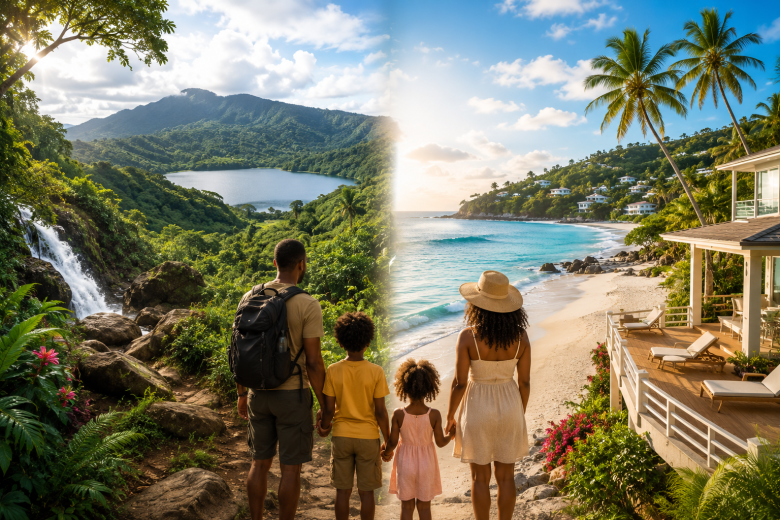
A Place with Beaches, Rainforests, and Island Charm
Grenada’s main island has long white-sand beaches, secret coves, and a hilly interior covered in thick rainforest. The most famous beach on the island is Grand Anse Beach, which runs more than three kilometers along the southwest coast. Even though it’s popular, it doesn’t often feel too busy. It has calm blue waves, beachside restaurants, and a lot of water activities.
The Grand Etang National Park is the green heart of the island, and it is located inland. The park is built around a lake in a volcanic crater and protects forested mountains, waterfalls, and hiking routes that go through tall trees and misty ridges. The forest has been hit by hurricanes in the past few decades, yet it keeps growing back, giving animals a place to live and a nice break from the coast.
Carriacou and Petite Martinique, which are to the north, make you feel like you’re far away from the contemporary world. Life here is slow, thanks to fishing traditions, making wooden boats, and festivities like the Maroon & String Band Festival and the Big Drum Dance. These smaller islands are great for those who want peace and quiet, a sense of community, and beaches that aren’t crowded.
A Living Heritage, Culture, and History
The history of Grenada had a big impact on its culture. Petroglyphs carved into rock faces at places like Mt. Rich and Duquesne Bay show that Amerindian people lived on the island a long time ago. These sculptures have a strong link to the island’s pre-colonial past, even though their meanings are still unclear.
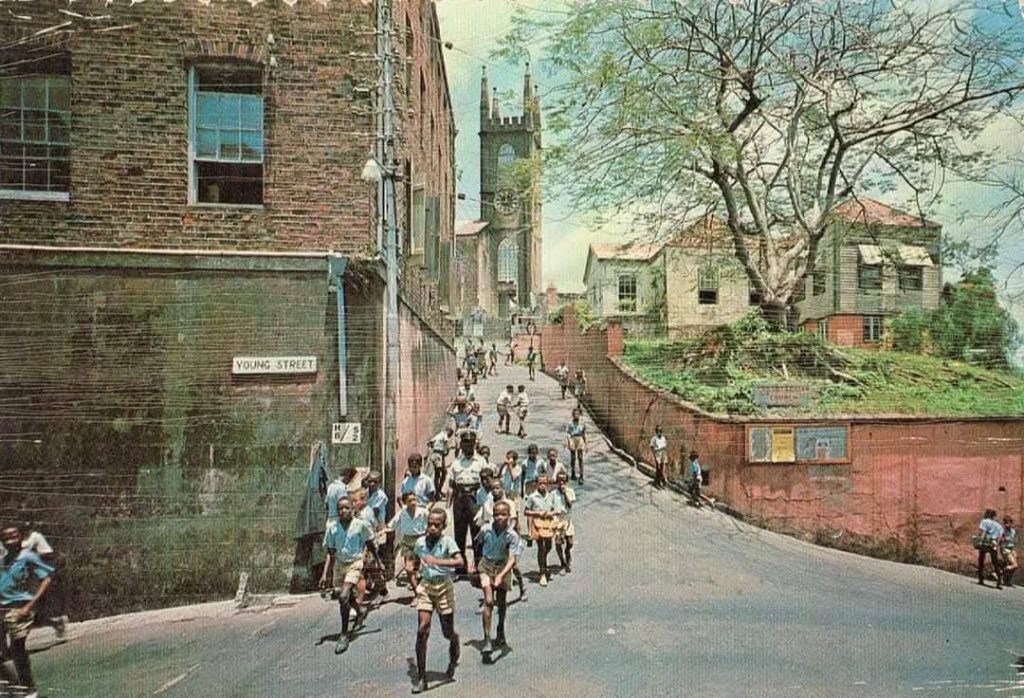
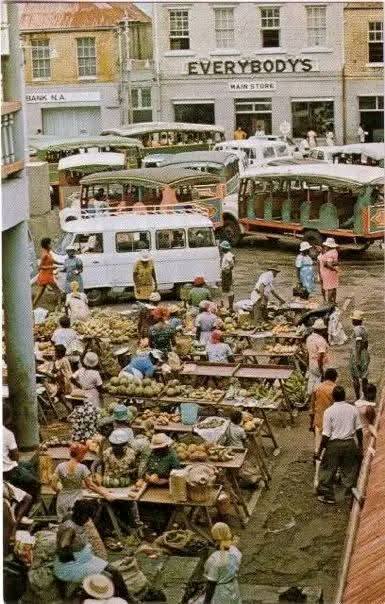
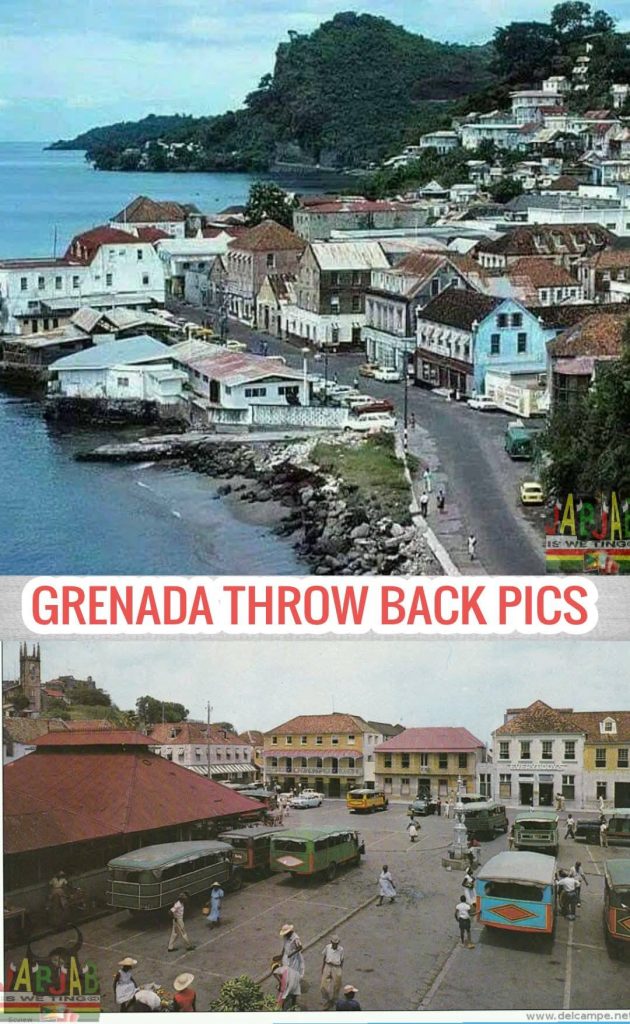
You can also see colonial history. St. George’s is one of the Caribbean’s most beautiful cities. Its pastel-colored buildings flow down hillsides to a horseshoe-shaped harbor. The vibrant Carenage waterfront is still the city’s social center, while forts, churches, and old streets show how the French and British ruled for centuries.
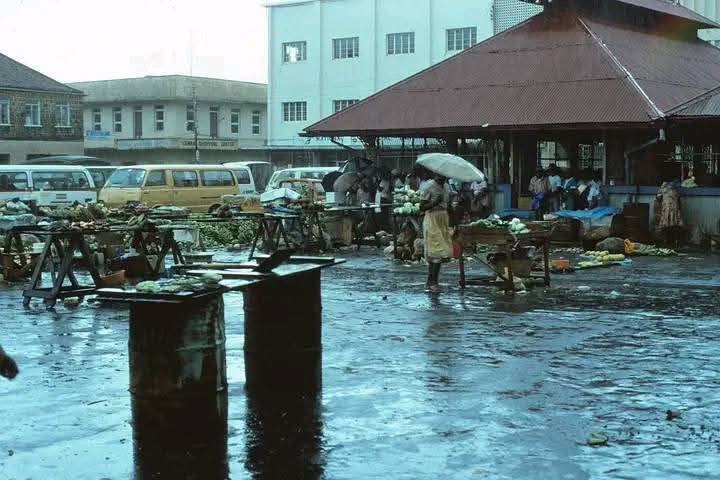
Grenada’s economy and culture are still shaped by its agricultural past. When you visit Belmont Estate, you may learn about cocoa growing, organic farming, and how to make chocolate the old-fashioned way. The nutmeg processing station, called locally “the pool,” is close by in Gouyave. It gives you a great view of the industry that gave Grenada its namesake. Nutmeg manufacturing is still a proud emblem of endurance and tradition, even though hurricanes have caused problems.
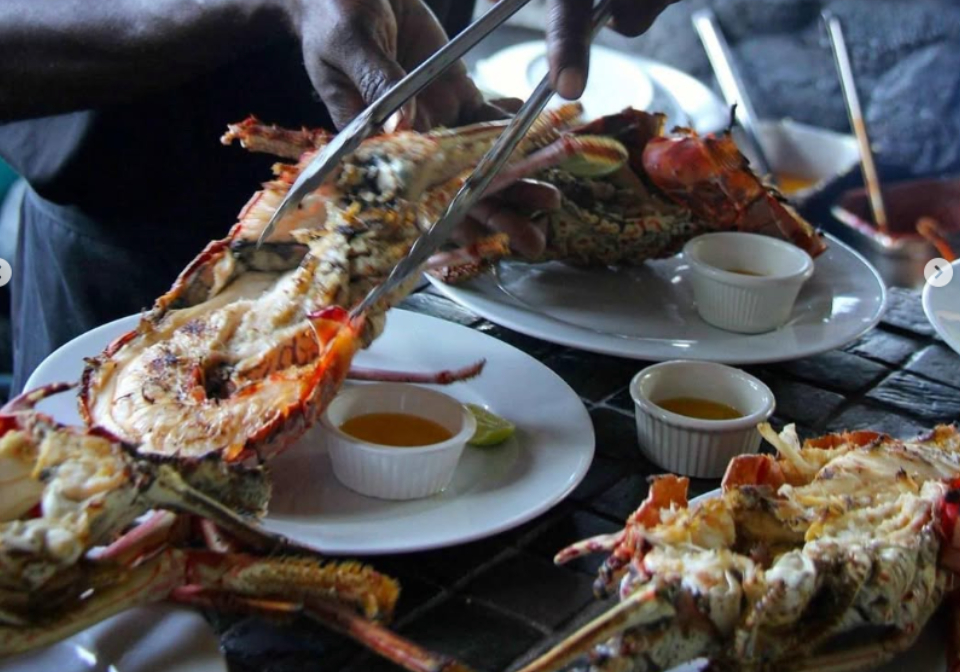
Food and drink are the heart and soul of Grenadian life.
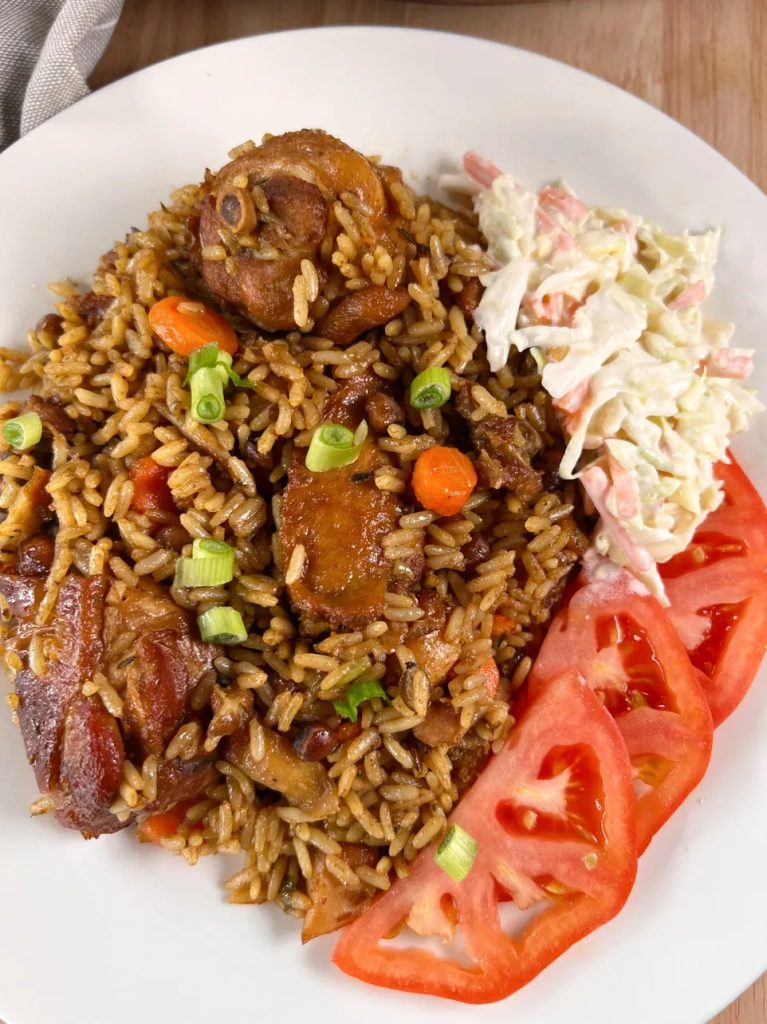
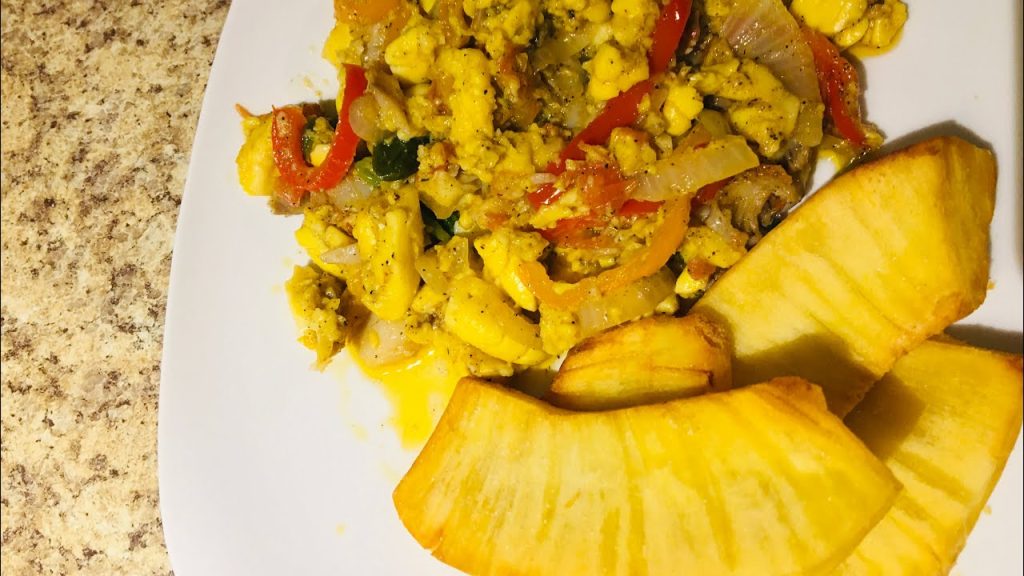
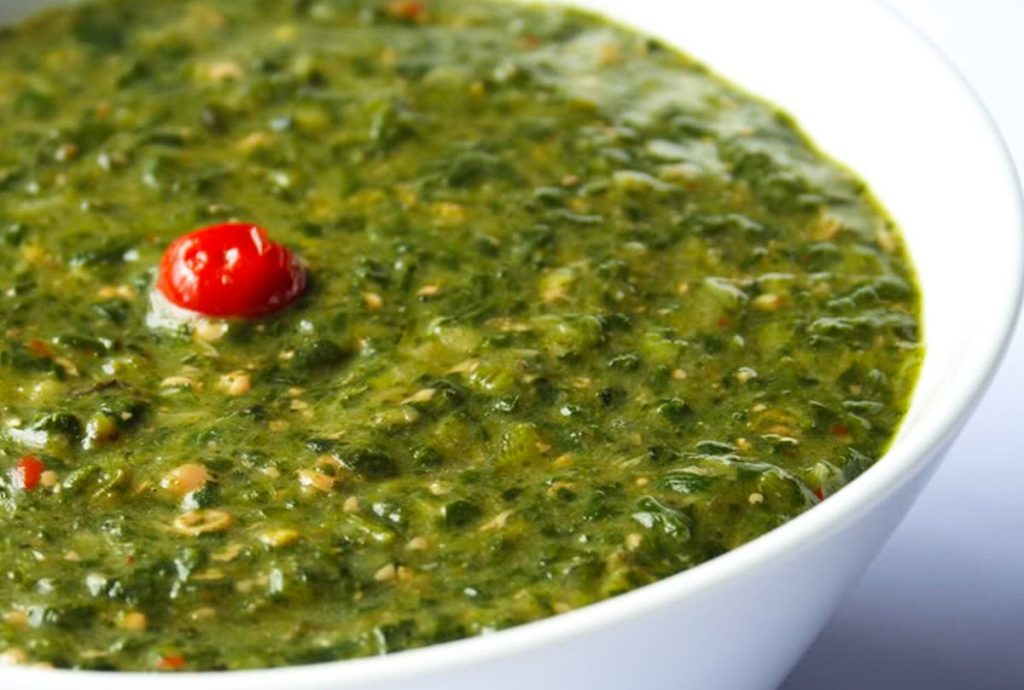
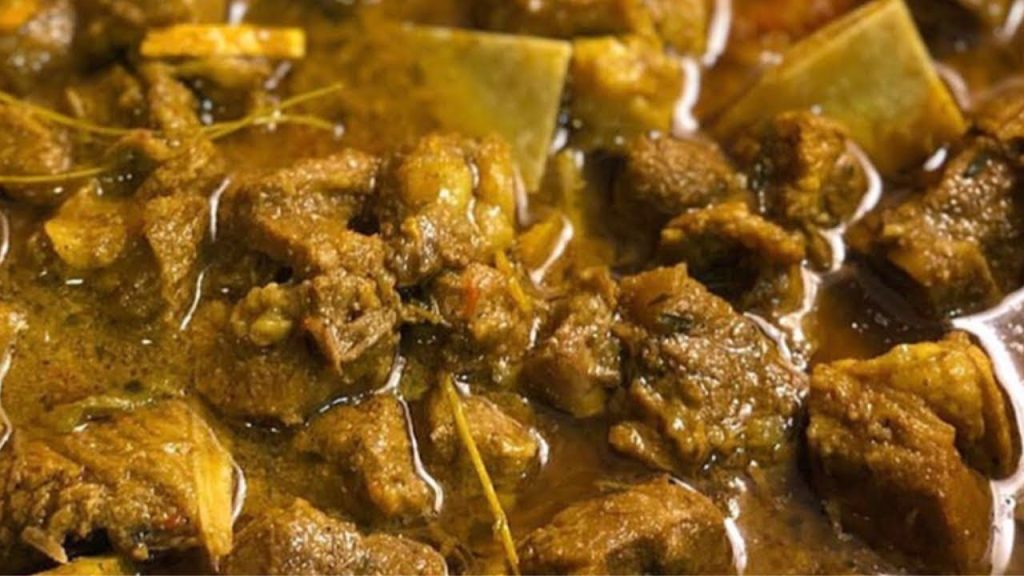
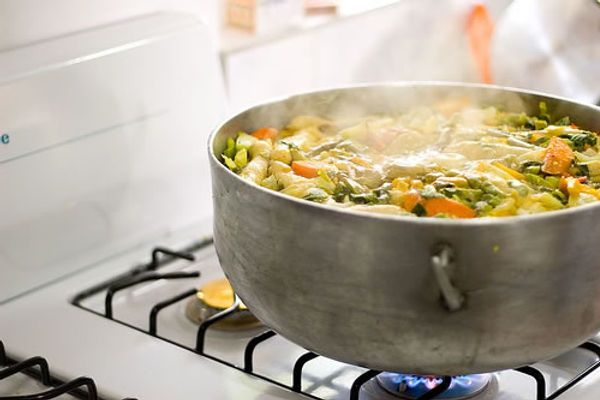
The food of Grenada reflects the island’s rich history. Oil down, the national food, is the main dish. It’s a one-pot meal with breadfruit, ground grains, meat, coconut milk, and spices that cooks until the liquid turns into a rich, flavorful oil. Oil down is a supper that is also a social event, and it is usually made outside.
Coucou, calalou soup, crab backs, and lambie (queen conch) are also popular in the area. They can be stewed, fried, or curried depending on the season. There are a lot of fresh fish dishes, like tuna, marlin, flying fish, and mahi-mahi. East Indian flavors come through in curries and rotis, which are both full and cheap.
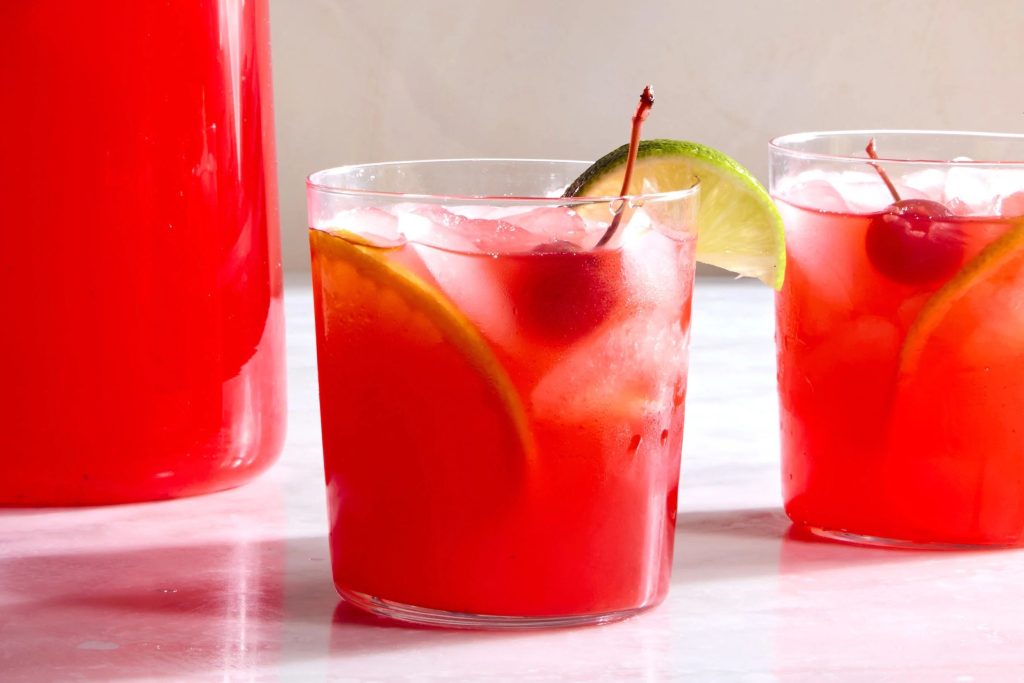
The drinks in Grenada are also very different. You can get a lot of fresh fruit juices produced from mango, golden apple, passionfruit, and guava. Mauby, on the other hand, is a bitter-sweet herbal drink that takes some getting used to. People who love rum will be very happy. River Antoine and other historic distilleries still make rum using processes that have been around for hundreds of years. This gives visitors a rare look at the Caribbean’s industrial past.
Health, safety, and useful travel tips
Many people think that Grenada is one of the safest places to visit in the Caribbean. People who come to visit are welcomed with open arms, and violent crime against tourists is very unusual. As with any place, it’s important to use common sense, although roaming about cities and beaches during the day or at night usually seems safe and relaxing.
Healthcare is available, but tourists have to pay for it up front. Travel insurance is a requirement, especially for trekking or diving. It’s safe to drink tap water, and there is no malaria, but travelers should make sure their normal vaccines are up to date.
Grenada is a great place for families with kids. The beaches are tranquil, there are waterfalls, and there are many outdoor activities that are perfect for younger travelers. Traveling with a disability might be hard because of the terrain and infrastructure, but proper planning can make it possible.

Traveling Around the Islands
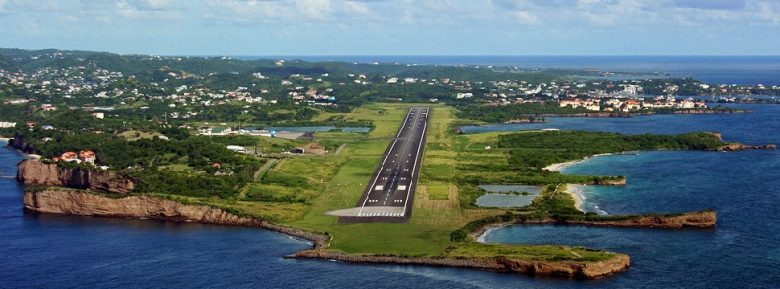
It’s easy to get around Grenada. During the day, public buses are cheap and dependable. Taxis are very easy to find and follow the rules. Renting a car gives you the most freedom, especially when going to beaches, waterfalls, and rural areas. Visitors need to get a temporary local driving permit, which is easy to do.
Water taxis are a beautiful method to travel along the coast or to get to islands off the coast, especially in Grand Anse and Carriacou. Hitchhiking is widespread and tolerated in many cultures, and it’s a great way to meet new people if you’re on a low budget.
When to Go and What to Do
Between November and June, when the weather is dry and there are festivals and sailing activities, Grenada is at its busiest. The rainy season lasts from July to October. It brings more humidity and storms, but it also brings lower pricing and fewer people.
Grenada has a full program of cultural events all year long, including carnivals, regattas, gastronomic festivals, and traditional holidays. The island has things to do that will stay with you long after your trip is finished, like climbing to St. Margaret’s Falls, diving on old shipwrecks, dancing at a local festival, or watching the sun set over Grand Anse.
A Place with Depth
Grenada is more than just a place to visit; it’s a place to live. Its landscapes make you want to explore, its food offers stories of survival and inventiveness, and its people are friendly and real in a way that can’t be faked. Grenada is a great place to visit, whether you want to relax, have fun, learn about the culture, or try new foods.